View of a mountain pass at sunrise

Summer motorcycle trip: preparation, mountain passes and riding tips

Read more

View of a mountain pass at sunrise

7/1/2025

The summer holidays have officially started, and that can only mean one thing: the mountains are calling. Time for hairpin bends, mountain passes and that overwhelming feeling of freedom you only experience on a motorcycle.

But before you head out, there are a few important things to consider. Not all mountain passes are open yet, the weather can change quickly and good planning has a huge impact on how enjoyable your ride will be. Below you’ll find my most important tips and preparations for a successful summer motorcycle trip.

Summer doesn’t mean all mountain passes are open

Even though summer officially starts on June 21st, the mountains don’t always follow that calendar. Some passes open late, especially after a snowy winter. Luckily, there are a few reliable sources you can always check:

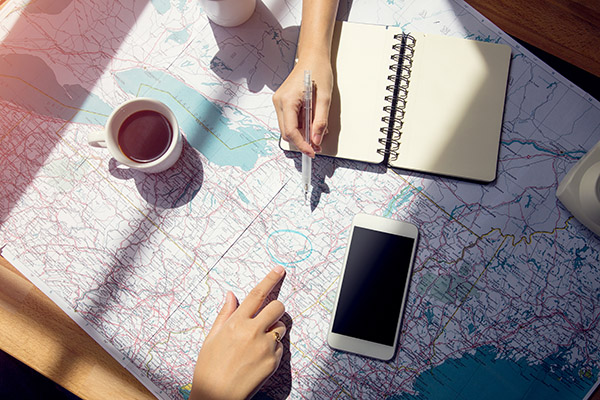
Planning your route: prepare, but stay flexible

On paper, a tight schedule always looks perfect. In the mountains, reality is often different. Rockfalls, road works, sudden weather changes or major events like the Tour de France can completely disrupt your plan.

That’s why I always plan ‘flexibly fixed’: a clear route, but with room to adapt.

Things I always take into account:

  • a plan B (and even a plan C),
  • buffer time each day, especially on longer mountain rides,
  • alternatives to skip a pass if it’s too busy, wet or unsafe,
  • enough breaks: mountain roads demand more focus and energy than flat rides.
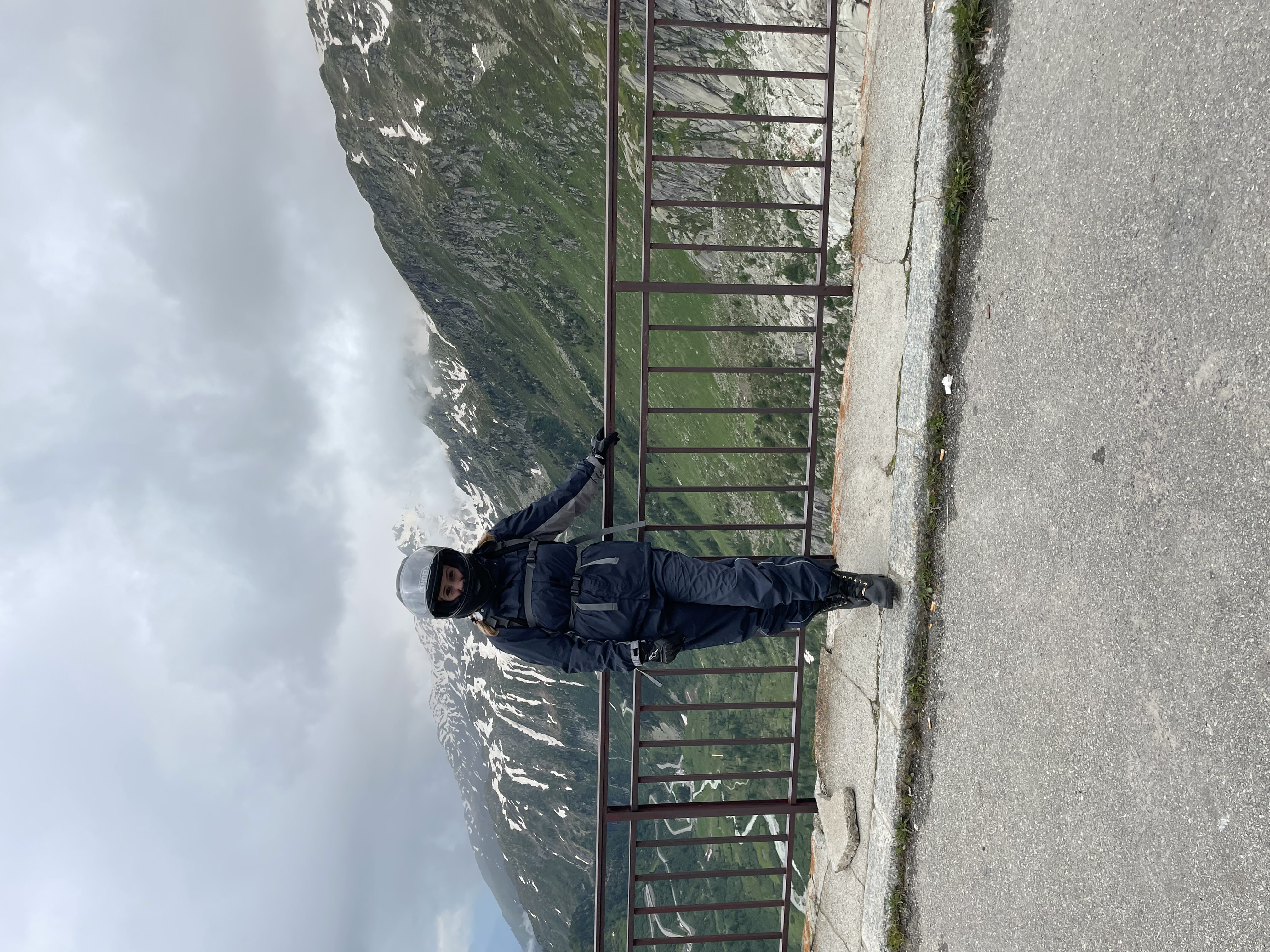
Which vignettes do you need?

  • Austria: mandatory on highways, apply digitally via Asfinag

  • Switzerland: mandatory on highways, available as a digital e-vignette

  • France: Crit’Air environmental sticker required in low-emission zones, apply well in advance

Riding in summer: don’t underestimate the heat

Many riders focus on cold and rain, but heat can be just as challenging, especially in the mountains where temperatures can vary drastically. During summer trips, I’ve experienced near-freezing temperatures at the top while it was 20°C lower down.

Keep this in mind:

  • Stop regularly to drink water; mountain air dehydrates you faster
  • Invest in ventilated riding gear (with proper protection, of course!),
  • Dress in layers so you can easily adapt to changing conditions

Riding mountain hairpins safely and comfortably

Mountain passes are amazing to ride, but they require technique. Especially in countries like Italy or Switzerland, where hairpins can be steep, tight and busy. A few basic principles make a huge difference in how relaxed and safe you feel on the bike.

A few tips to ride mountain hairpins safely and comfortably:

  1. Look far through the corner: The further ahead you look, the smoother your steering becomes. Many riders stare too close to their front wheel, which makes the bike feel nervous. Focus on where you want to go, not what’s happening right in front of you.

  2. Brake before the corner, never in it: Do all your braking while the bike is upright. Once in the corner, trust your speed and lean angle. Braking with the front brake mid-corner can upset the bike’s balance. Mountain roads often have changing grip due to gravel, water or shade. Brake early, then let the bike flow through the turn.

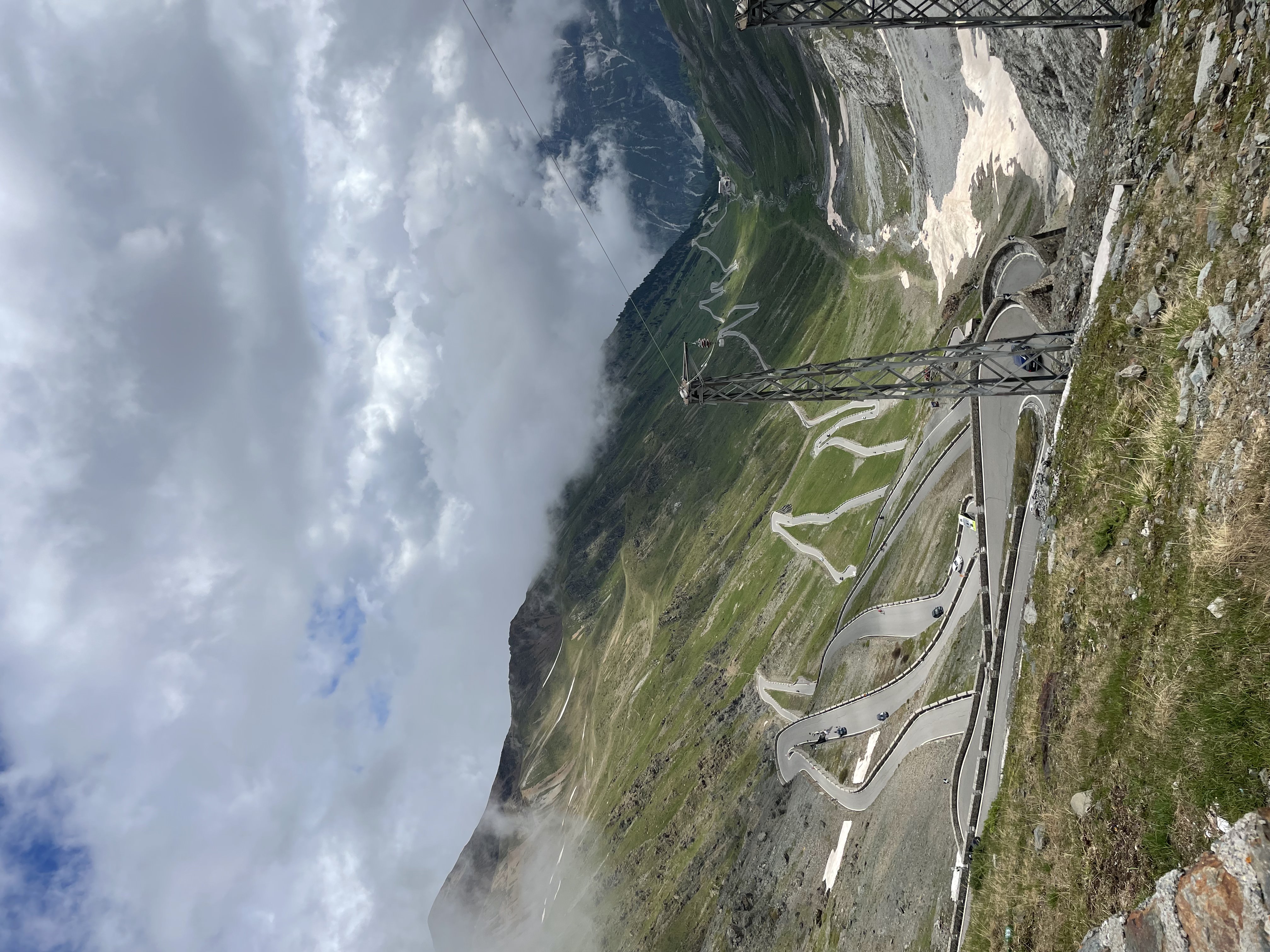
  3. Choose the outside line for better visibility: Especially in hairpins (like on Stelvio or Gavia), riding the outside gives you better visibility of oncoming traffic and what’s ahead. Outside → turn in → work towards the inside is the safest approach on narrow hairpins.

  4. Respect your own pace: Let faster riders pass and never feel pressured. In the mountains, ‘too fast’ happens quicker than you think. Riding relaxed increases both safety and enjoyment.

Enjoy the ride, and feel free to let me know which passes you’ve already ridden this summer. I love following your adventures!

Safe travels,

Cara from BikingWithC

Good to know before your summer motorcycle trip

  • Check webcams: many popular mountain passes have live webcams showing snow and traffic conditions.
  • Watch the crowds: ride early in the morning to avoid campers, cyclists and heat.
  • Weather changes fast: always carry a lightweight rain layer, even on warm days.
  • Cool peaks, warm valleys: dress in layers you can easily adjust.
  • Respect closures: both for your own safety and because fines can be significant.

All the answers you are looking for

  • Usually between late May and early July. Exact opening dates depend on remaining snow. Switzerland typically opens later than Italy or France.

  • Always have an alternative planned: either reroute via a lower pass or turn back. Check with local police or tourist offices; they usually have the most up-to-date information.

  • It takes some getting used to, but with focus and calm riding it’s absolutely doable. Start with more open, flowing passes like Col de la Bonette, Furka Pass or the Silvretta High Alpine Road, and build up from there.

Cara Roggemans

About Cara

I’m Cara Roggemans, founder of BikingWithC, motorcycle lover and travel addict. I’ve done two solo motorcycle trips so far and countless shorter rides and day trips through Belgium, the Netherlands, Germany, France, Switzerland, Austria and Italy. With BikingWithC I share honest experiences, tips and stories from the road. Everything you read is based on my own rides, tests and on-the-road adventures.

Some links are affiliate links. I may earn a small commission with no extra cost to you. Recommendations are always based on my own experience or thorough research.